This morning, I wrote the following message to a friend of mine:
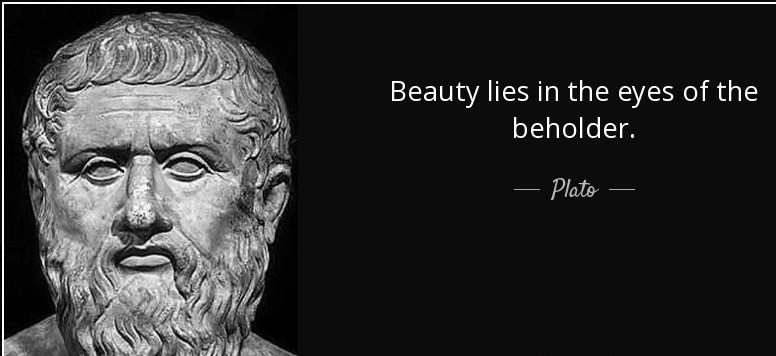
“Greetings! Thank you for the wonderful meeting. The Platonic statement ‘Beauty is in the eyes of the beholder’ becomes meaningless when modified to ‘Ugliness is in the eyes of the beholder.’ Please allow me to introduce my website: www.shitwhole.com. This reflects my soul. Regards.”
And within 15 minutes I received a reply thanking me. This set me off in thinking about the Platonic statement. What does the statement “Beauty is in the eyes of the beholder” mean? Does it mean beauty does not lie anywhere but in the eyes that see? Are all other things in the world not beautiful, but ugly? Does it mean, irrespective of whether things and people are beautiful or not, it is the way you look at them that makes them beautiful. If you look at things beautifully, then everything in the world is beautiful. The above statement may mean much more, but allow me to stop here, for the sake of precision.
On the other hand, what does the amended statement “Ugliness lies in the eyes of the beholder” mean? It means ugliness does not lie anywhere but in the eyes. Irrespective of whether things look beautiful or ugly, they all look ugly if the way you look at them is ugly. Even the most beautiful things look ugly if you look at them with ugly eyes. Ugliness does not lie anywhere but in the eyes of the beholder!
People say both the statements, i.e., “Beauty lies in the eyes of the beholder” and “Ugliness lies in the eyes of the beholder,” mean the same thing. But I do not think so. There is a huge shift of meaning in both. By changing or replacing the word “beauty” with “ugliness,” the entire meaning has changed beyond imagination. Life’s perspective has shifted. The angle has changed. The color has changed. The entire platonic philosophy has changed. I think this is a revolution.
This is a revolution—why did this not come before? Why did this angle not exist earlier in my life? Was I blind? Thoughtless? Mindless? Or was I all? In my opinion, this is a groundbreaking shift—a shift towards self-realization and fulfillment.
Anything can be written, and yet nothing can be written, both in support of or against the change that was made in the statement. It was a Platonic statement, over 5000 years old. Books and treatises were written on this statement. A lifetime has passed in a jiffy contemplating on it. But this shift has never happened. It is more of a revolution. Thoughts flowered. Life fulfilled. And I am sure that the reader for whom this statement was intended will understand. In it alone lies the beauty.
About the Author

Dr. K. Raja Gopal Reddy is a seasoned internationally qualified Insurance professional. What you are reading here, may not answer all the questions we have, but has the absolute power of asking unsettling questions which increase the interest in the strange world, and show the contradictory wonders lying just below the surface of the commonest things of life. Look at this disturbing but beautiful thought of Friedrich Nietzsche “God is dead. God remains dead. And we have killed him”. Dr. Reddy can be reached at: raja66gopal@gmail.com